
Is Your Cincinnati Home Silently Exposing Your Family to Asbestos?
That persistent worry about what might be lurking in your older Cincinnati home isn't unfounded. If your house was built before the 1980s, there's a significant chance it contains asbestos in original building materials, from pipe insulation to floor tiles to textured ceilings. While this reality affects thousands of Cincinnati homeowners, the good news is that knowledge and professional assessment can protect your family's health.
Central Insulation Systems has served Cincinnati as a licensed and certified asbestos removal contractor since 1988, helping homeowners identify and safely address asbestos concerns for 38 years. We understand that discovering potential asbestos in homes Cincinnati residents call home can feel overwhelming, but recognizing the warning signs is your first line of defense.
The key is knowing what to look for without disturbing potentially dangerous materials. Asbestos fibers become hazardous when they're released into the air through damage, deterioration, or disturbance. By identifying these five critical warning signs, you can take the right steps to ensure your family's safety through proper professional evaluation.
Warning Sign #1: Deteriorating or Crumbling Insulation Around Pipes, Boilers, and Furnaces
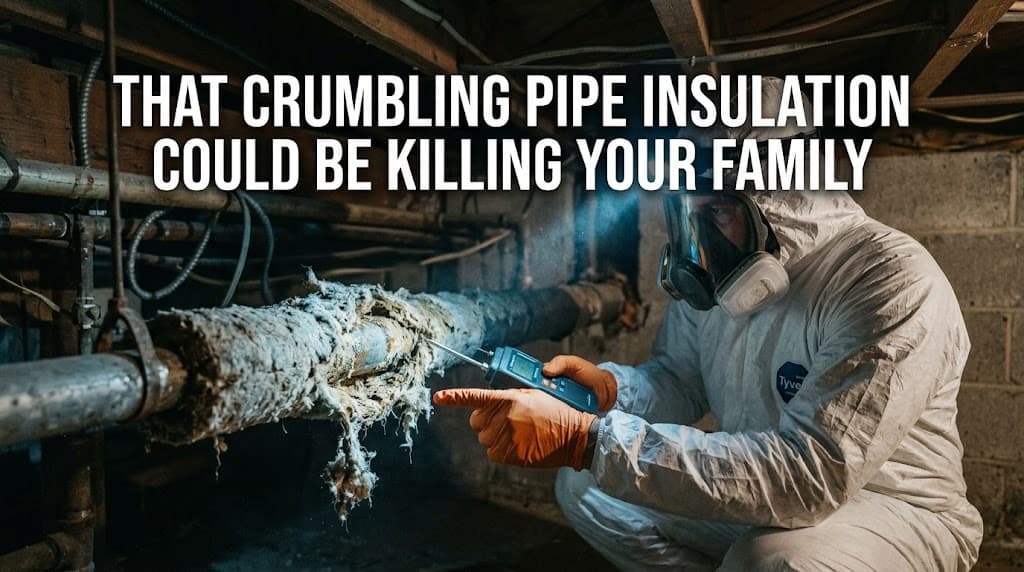
Walk into your basement or utility room and examine the insulation wrapped around your heating pipes, boiler, or furnace. This pipe insulation was one of the most common applications for asbestos-containing materials in homes built before the 1980s. If you notice gray or white insulation that appears to be cracking, crumbling, or falling apart, this could indicate asbestos presence.
Deteriorating insulation around heating systems poses a particularly serious risk because the heat and vibration from these systems can accelerate the breakdown of asbestos fibers. When these materials crumble, microscopic asbestos fibers can become airborne and circulate through your home's air system. You might see small pieces of insulation material on the floor near your furnace or notice that the insulation looks powdery or damaged.
The danger increases significantly when these materials are visibly damaged because intact asbestos materials generally pose minimal risk. However, once the protective outer layer breaks down, asbestos fibers can be released with even minor disturbances like routine maintenance or cleaning. Attic insulation and pipe insulation were commonly manufactured with asbestos, making these areas prime locations for concern in older Cincinnati homes.
Never attempt to clean up or repair this type of insulation yourself. Even gentle handling can release dangerous fibers into your home's air supply, creating a health hazard for your entire family.
Warning Sign #2: Fraying or Loose Insulation Materials in Your Attic or Basement
Your attic and basement contain some of the most likely locations for asbestos in homes Cincinnati families occupy. Pay particular attention to vermiculite insulation, which often contains asbestos and appears as small, pebble-like gray or silver particles. This type of insulation was widely used in attics and can be found loose-fill or in bags.
Fraying insulation materials indicate that the protective binding agents are breaking down, potentially releasing asbestos fibers. Look for insulation that appears to be shedding, has visible tears or holes, or shows signs of moisture damage. In basements, check around foundation walls, ceiling joists, and areas where insulation meets ductwork or plumbing.
The appearance of loose fibers hanging from ceiling joists or insulation that looks disturbed should raise immediate concerns. These materials may have been disturbed by previous maintenance work, pest activity, or simple aging. When insulation begins to fray or become loose, it creates an ongoing source of potential fiber release.
Moisture damage compounds the problem by weakening the binding agents that hold asbestos fibers together. If you notice water stains, mold growth, or dampness in areas with older insulation, the risk of fiber release increases substantially. These conditions make the insulation more fragile and likely to release particles when disturbed by air currents, vibrations, or temperature changes.
Warning Sign #3: Vinyl Floor Tiles, Sheet Vinyl, or Linoleum Flooring in Older Sections
Original flooring materials in pre-1980s Cincinnati homes frequently contain asbestos, particularly vinyl floor tiles, sheet vinyl, and linoleum flooring. These materials were manufactured with asbestos as a strengthening agent and fire retardant. Even if your flooring looks pristine, it may still pose risks if it's original to an older home.
Vinyl floor tiles containing asbestos typically measure 9x9 inches or 12x12 inches and were available in various colors and patterns. The tiles themselves aren't immediately dangerous when intact, but the adhesive used to install them also commonly contained asbestos. This creates a double concern when tiles become loose, cracked, or damaged.
Sheet vinyl and linoleum materials present similar risks, especially when they show signs of wear, curling edges, or areas where the material has been cut or damaged during renovations. The backing material and adhesives used with these flooring types often contained high concentrations of asbestos fibers.
The risk escalates when these materials are disturbed during remodeling projects or when they naturally deteriorate over time. Sanding, cutting, or removing these flooring materials without proper precautions can release significant amounts of asbestos fibers into your home's air. Even walking on severely damaged asbestos-containing flooring can potentially release fibers, though this risk is generally lower than active disturbance.
Warning Sign #4: Textured Ceilings or 'Popcorn' Ceiling Materials
Textured ceiling treatments, commonly called "popcorn" ceilings, frequently contained asbestos in homes built before the 1980s. These decorative ceiling finishes were popular for their ability to hide imperfections and reduce noise, but they pose unique risks because they naturally shed particles over time.
Textured ceilings containing asbestos appear as bumpy, cottage cheese-like surfaces that were typically sprayed or troweled onto ceiling surfaces. The texture can range from fine to coarse, and colors vary from white to off-white or beige. These materials are particularly concerning because they're more likely to release fibers than other asbestos-containing materials due to their exposed, textured surface.
Age and environmental factors cause these ceiling materials to become increasingly brittle and prone to shedding. You might notice small particles on furniture or floors beneath textured ceilings, which could indicate ongoing fiber release. Water damage from roof leaks or plumbing issues significantly increases the risk, as moisture weakens the binding agents and makes the material more likely to crumble.
The location of these ceilings in living spaces means that any fiber release directly affects your family's daily environment. Unlike insulation hidden in walls or attics, textured ceiling materials are constantly exposed to air currents, vibrations from foot traffic above, and temperature fluctuations that can contribute to deterioration and particle release.
Warning Sign #5: Materials Labeled 'ACM' or Documentation Indicating Asbestos-Containing Materials
The clearest warning sign of asbestos presence is finding materials specifically labeled as "ACM" (asbestos-containing material) or discovering documentation that confirms asbestos in your home. These labels and documents provide definitive proof rather than suspicion, making professional handling absolutely essential.
Look for labels on insulation materials, floor tiles, ceiling tiles, or other building components that include terms like "contains asbestos," "ACM," or warnings about asbestos content. Previous inspection reports, building permits, or renovation documents may also reference asbestos-containing materials. Some older homes have documentation from previous asbestos surveys or abatement projects.
Building records from the original construction or major renovations can provide valuable information about the materials used in your home. Contact your local building department or previous owners if possible to obtain these records. Professional inspection reports from real estate transactions sometimes identify potential asbestos locations.
When you find labeled ACM or documented asbestos presence, avoid any disturbance of these materials until professional assessment and proper handling procedures are implemented. Even materials that appear to be in good condition require careful evaluation by certified professionals to determine the appropriate safety measures and potential need for removal or encapsulation.
Why Professional Certified Testing Is the Only Safe Next Step
Visual inspection alone cannot definitively confirm asbestos presence in your Cincinnati home. Professional laboratory testing conducted by licensed and certified asbestos inspectors is the only reliable method to determine whether materials contain asbestos and assess the associated risks. Central Insulation Systems maintains EPA and OSHA compliant procedures for safe sample collection and analysis.
Our certified professionals use specialized equipment and techniques to safely collect samples without releasing fibers into your home's environment. These samples undergo microscopic analysis at accredited laboratories to determine asbestos content and fiber type. This scientific approach eliminates guesswork and provides the accurate information needed to make informed decisions about your family's safety.
Attempting to test or inspect suspected asbestos materials yourself significantly increases health risks for you and your family. Even careful handling can release dangerous fibers, and improper sampling techniques may provide inaccurate results that leave you with false security or unnecessary concern. Professional assessment ensures both safety and accuracy throughout the evaluation process.
With 38 years of experience serving Cincinnati homeowners, Central Insulation Systems combines extensive local knowledge with industry-leading safety standards. Our licensed and certified team understands the specific types of asbestos in homes Cincinnati residents encounter and provides comprehensive solutions tailored to your situation. We offer free estimates and professional consultation to help you understand your options and take the right steps to protect your family's health.
Don't let uncertainty about potential asbestos exposure continue to worry you. Contact Central Insulation Systems at (513) 242-0600 for professional assessment and peace of mind to protect your family's health and ensure your home's safety in 2026 and beyond.


